Basement Font: Elegant Handwritten Style for Web Design
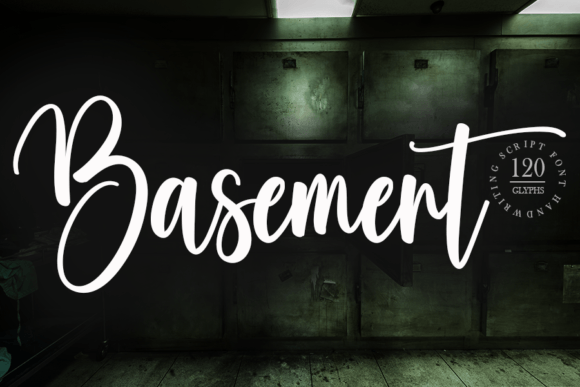
As a web designer, choosing the right font can make or break a digital experience. Basement is a handwritten script font that brings a unique, elegant touch to any project. Its clean lines and natural flow make it ideal for headers, logos, and decorative elements across websites, landing pages, and digital products.
Basement belongs to the Script Amp category of fonts, offering a balance between artistic flair and readability. It’s not just a pretty typeface—it’s a tool that supports visual hierarchy, brand tone, and user engagement in modern web design.
Understanding Basement's Visual Characteristics
Basement has a distinct personality that feels both personal and professional. The font’s curves are smooth, and its letterforms maintain a consistent weight, making it easy to read even at smaller sizes. This makes it a strong choice for headings, call-to-action buttons, and short phrases that need to stand out without overwhelming the viewer.
The font’s subtle imperfections mimic real handwriting, giving it an authentic feel that adds warmth to digital interfaces. This quality is especially useful when designing for creative industries, such as boutique online stores, coaching websites, or personal blogs where a human touch matters.
Using Basement in Web Design Projects
Basement shines in hero sections, where it can be used to create a bold, memorable headline. Its flowing style pairs well with minimalist backgrounds, allowing the font to take center stage. For example, a creative portfolio site could use Basement for the main title, while a sans serif font handles the body copy for better contrast and readability.
In online stores, Basement can elevate banners and product titles. A handmade jewelry store might use it for a tagline like “Handcrafted with Love” to reinforce its brand identity. Similarly, a SaaS landing page could use it for a subheading to add a personal, approachable tone.
Basement for Brand Identity and User Engagement
Brand trust and professionalism often rely on consistent typography. Basement can help establish a cohesive visual identity across websites, social media graphics, and marketing materials. When used sparingly, it adds a unique signature to a brand without compromising clarity.
Its elegance also supports user engagement by creating a sense of sophistication. In content sections, it can highlight key points or introduce new ideas with a visually appealing touch. However, it’s best suited for short, impactful text rather than long paragraphs, which may reduce readability.
Practical Tips for Using Basement in Digital Layouts
When using Basement on mobile screens, ensure it’s large enough to remain legible. On small buttons or icons, consider using a bolder weight or pairing it with a simpler font for contrast. Dark backgrounds can enhance the font’s visibility, but light backgrounds may require a slightly larger size or added spacing for optimal readability.
For image overlays, Basement works well when placed against solid colors or subtle textures. It’s important to test the font in different contexts to ensure it maintains its charm without becoming distracting.
Font Pairing Strategies with Basement
Pairing Basement with a simple sans serif or serif font can create a balanced design. For instance, a modern website might use Basement for headers and a clean sans serif for body text. This combination enhances readability while keeping the design visually interesting.
In editorial designs, such as blog headers or course pages, pairing Basement with a serif font can add a refined, traditional feel. For a more contemporary look, a geometric sans serif might work better, depending on the overall aesthetic of the site.
Considering Font File Formats and Licensing
When integrating Basement into a website, check the available file formats—typically WOFF, WOFF2, or TTF. These formats ensure compatibility across browsers and devices. Also, confirm if the font includes multiple weights or alternates, which can expand its usability in different design scenarios.
For multilingual support, ensure the font covers the necessary characters for your target audience. If you’re using it for a global brand, this detail can prevent unexpected layout issues or missing glyphs.
Commercial Use and Licensing Considerations
Basement is a premium font that requires proper licensing for commercial use. Whether you're working on a client project, an online store, or a digital template, always verify the license terms. Most fonts allow use on websites, but some may restrict embedding or require additional fees for large-scale projects.
For designers and developers, understanding these licensing rules ensures compliance and avoids potential legal issues. Always keep documentation of font licenses, especially when working with clients or reselling design assets.
Basement in Action: Real-World Examples
A creative portfolio site might use Basement for the main title and a few key section headers, while a clean sans serif handles the rest of the content. This approach keeps the design fresh and engaging without sacrificing readability.
A boutique online store could use Basement for product titles and promotional banners, reinforcing a personalized, artisanal brand image. For a coaching website, it might appear in CTA buttons or testimonials, adding a friendly, approachable tone.
On a course sales page, Basement could be used for the main headline, drawing attention and setting the tone for the content that follows. Its presence helps create a sense of authenticity and creativity, which is crucial for educational or inspirational content.
Final Thoughts on Basement as a Web Design Tool
Basement is more than just a decorative font—it’s a versatile asset for web designers looking to enhance visual storytelling. Its elegance and readability make it suitable for a wide range of digital applications, from landing pages to branded web experiences.
By understanding its strengths and limitations, designers can use Basement effectively to create beautiful, functional layouts that resonate with users and reflect brand values. Whether you're building a personal website or a client project, Basement offers a stylish solution that stands out in the digital space.