Feeling Good Font: Elegant Script for Creative Projects
There’s something about the way Feeling Good flows across a page that makes it feel like a secret shared between you and your craft. I first discovered it while designing candle labels for my small handmade shop, and from the moment I typed out “Cozy Nights” in that soft, curving script, I knew it would become a staple in my design toolkit.
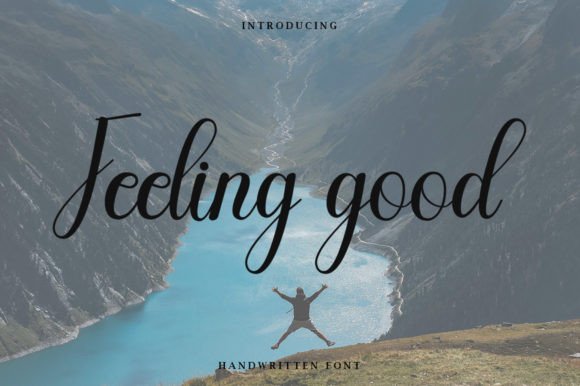
Feeling Good is a handwritten font with a romantic, elegant vibe. Its strokes are fluid and expressive, giving each letter a sense of movement and warmth. It’s perfect for anything that needs a personal touch—whether it’s a greeting card, a wedding invitation, or a label on a jar of homemade soap.
Using Feeling Good for Handmade Labels and Packaging
I often use Feeling Good for product labels, especially when I’m creating seasonal items. For example, during the holidays, I’ll type out “Handmade with Love” or “Gifted with Care” in the font and print it on custom stickers. The soft curves make the text feel inviting, which helps set the tone for the product inside.
When I designed a batch of candle jars, I paired Feeling Good with a clean sans serif font for the ingredient list. The contrast made the labels look polished yet approachable. It also helped me keep my branding consistent across different products, which is important for small businesses.
Feeling Good for Invitations and Stationery
One of my favorite uses for Feeling Good is in wedding stationery. I’ve created welcome signs, table numbers, and even save-the-dates using the font. Its delicate style adds a touch of sophistication without being too formal. I usually pair it with a simple serif font for headings to keep things balanced.
For printable wall art, I’ll use Feeling Good to create quotes or affirmations. It works well for planner pages, too, especially when I want to add decorative elements like borders or flourishes. The font’s versatility makes it easy to adapt for different projects.
Feeling Good for Digital Downloads and Printables
As a printable creator, I rely on fonts that look good both digitally and in print. Feeling Good holds up well in high-resolution files, making it ideal for digital downloads. I’ve used it in printable thank-you cards, birthday invitations, and even calendar templates.
When I design for Cricut or Silhouette machines, I always check the font’s readability at smaller sizes. Feeling Good is legible even when cut into stickers or vinyl, which is great for custom labels or signage. It also works well for short phrases, like names or titles, but might be less suitable for long paragraphs.
Pairing Feeling Good with Other Fonts
Font pairing is key to creating a cohesive design. I often pair Feeling Good with a modern sans serif for a clean, professional look. For more rustic or vintage styles, I’ll go with a simple serif font. It’s also fun to combine it with another script font for a layered effect, as long as the styles complement each other.
When working on packaging design, I make sure to test the font in different sizes and formats. It’s important to check how it looks on physical products like mugs or tote bags. Feeling Good adds a unique flair that can elevate the perceived quality of a handmade item.
Considerations for Commercial Use
If you’re planning to sell products that use Feeling Good, it’s essential to review the licensing terms. Make sure the font allows for commercial use, especially if you’re creating printables, merchandise, or digital downloads. Some fonts include multiple weights or styles, which can give you more flexibility in your designs.
I also recommend checking for alternate characters, ligatures, and swashes. These features can add variety to your work and help avoid repetition in large projects. Multilingual support is another consideration if you’re targeting international audiences.
Feeling Good for Seasonal Crafts and Shop Branding
During the fall, I use Feeling Good to create farmhouse-style signs with phrases like “Welcome Home” or “Cozy Vibes.” It adds a warm, personal feel that fits perfectly with seasonal decor. For spring, I’ll design floral-themed greeting cards with the font to match the theme.
Shop branding is another area where Feeling Good shines. I’ve used it in logo designs, social media graphics, and listing images. Its personality helps reinforce the brand’s identity and creates a memorable visual presence.
Final Thoughts on Using Feeling Good
Whether you’re a crafter, a printable seller, or a stationery designer, Feeling Good offers a beautiful way to express creativity. Its charm and elegance make it a valuable addition to any design project. From candle labels to wedding invitations, this font brings a sense of care and thoughtfulness to every piece it touches.
As I continue to explore new ways to use it, I’m always reminded of how much impact a single font can have on the overall look and feel of a handmade product. Feeling Good isn’t just a typeface—it’s a tool that helps bring ideas to life with grace and style.